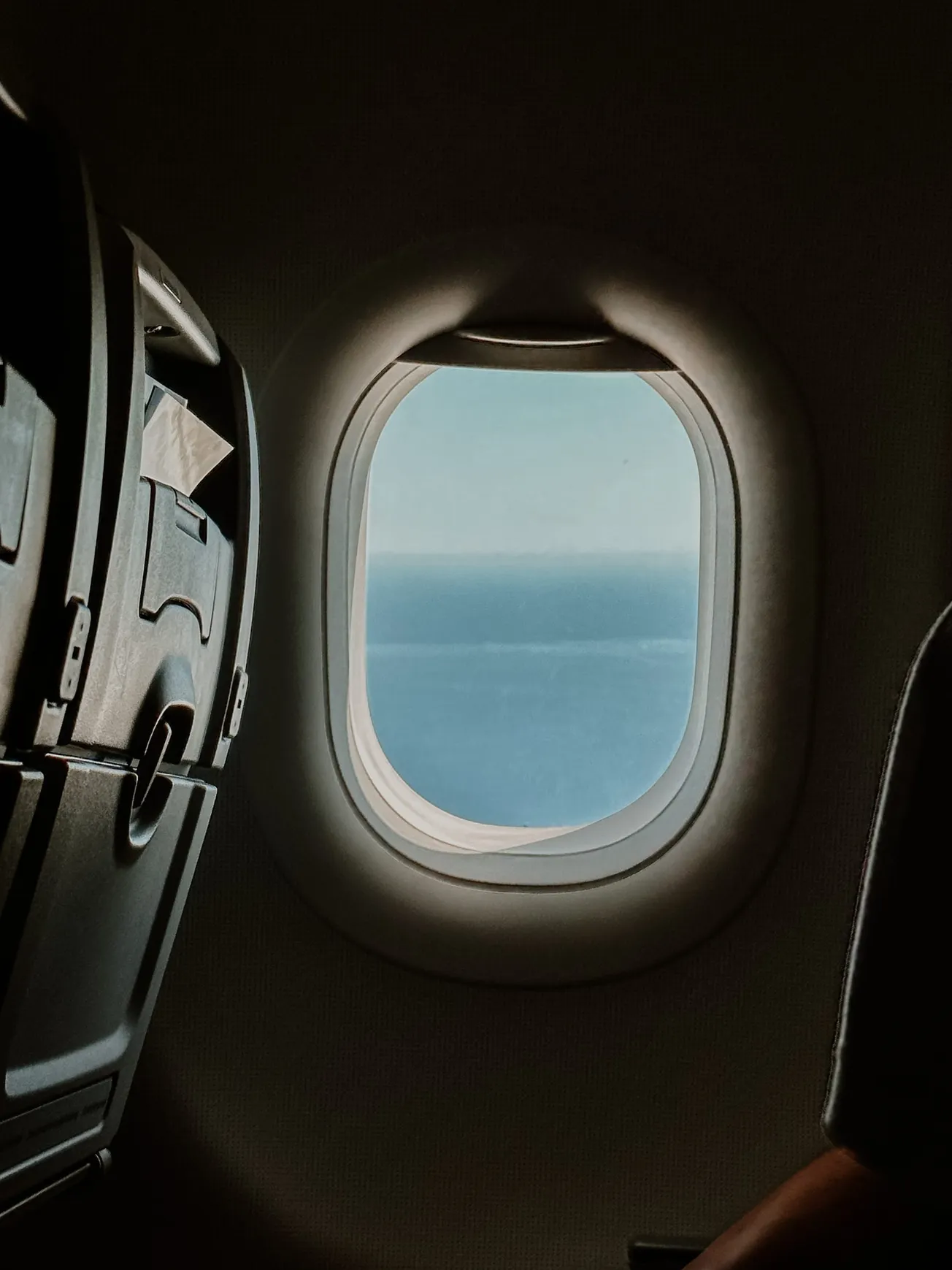
You board through the separate jetway, turn left instead of right, and settle into a seat that cost three times what the person twenty rows back paid for the same six-hour flight. The flight attendant offers you a drink before takeoff. The amenity kit has a decent moisturizer. You have made it. Except you have not made it anywhere except into a cabin full of people who need everyone to know they are in first class, which is the least discerning thing you can signal about yourself in 2026.
First class used to mean something. It meant Pan Am in the 1960s: white-glove service, actual crystal, and the understanding that luxury was about the experience, not the performance of having the experience. The cabin was quieter because the people in it did not need to announce where they were sitting. The service was exceptional because the airlines competed on service rather than on how many inches they could shave off economy seats to subsidize the front of the plane. First class was where you went to avoid chaos, not to create content about avoiding chaos.
That version is gone. What replaced it is a theater of luxury designed to look impressive in the ten seconds it takes to walk past it on your way to row 34. The seats are bigger, but not meaningfully more comfortable than lie-flat business class on the same equipment. The food is plated on real dishes, but it is still reheated airplane food that no one would order in a restaurant. The amenity kit is filled with products you will never use because you already have better versions at home. The entire production is engineered to justify a price point, not to deliver an experience worth that price.
The real tell is who else is in the cabin. First class used to be business travelers on corporate accounts and the occasional honeymoon couple who saved for a year. Now it is influencers filming unboxing videos of the amenity kit, anniversary travelers who upgraded with points and will not stop talking about it, and people who believe that being in first class is an achievement rather than a transaction. The energy is wrong. Everyone is performing the experience instead of having it, and the performance makes the cabin feel smaller than it actually is.
Meanwhile, discerning travelers have figured out the math. Business class on international carriers delivers ninety percent of the comfort at forty percent of the cost. Lie-flat seats are lie-flat seats. The food in business is often better because the crew is not trying to perform fine dining in a pressurized tube. Lounge access is identical. The only thing you lose is the chance to tell people you flew first, which is precisely the point. If you need to announce it, you have already lost the plot.
The smarter move is optimizing around the airport experience rather than the seat. Priority security and private terminals save more time and stress than three extra inches of legroom ever will. Arriving well-rested because you used the lounge properly matters more than whether the flight attendant addressed you by name. The luxury is in the efficiency and the lack of friction, not in the performance of being served champagne in a flute you did not ask for and do not want at eleven in the morning.
First class made sense when the alternative was a middle seat in a row that did not recline. It makes no sense now that business class has closed the gap on everything that actually matters. The premium you pay is not for comfort. It is for the theater of exclusivity, and theater only works if the audience believes the performance. Discerning travelers stopped believing years ago.
The exception is the handful of airlines that still treat first class as a product rather than a marketing category. Singapore, Emirates, maybe JAL on a good day. These cabins deliver something business class cannot: suites with doors, onboard showers, food that tastes like food. But even these are becoming harder to justify when the same airline's business class is excellent and costs half as much. The gap is narrowing, and the people willing to pay the premium are increasingly the ones who need the status more than the experience.
What first class signals now is not discernment. It signals that you value being seen in first class more than you value the actual quality of the journey, which is the opposite of what luxury used to mean. Real luxury is quiet. It does not require documentation. It certainly does not require you to walk past two hundred people so they can watch you settle into a seat that will feel identical to business class the moment the lights go off and everyone goes to sleep.
The first-class cabin has become the last place discerning travelers want to be, and the people who still want to be there are precisely why everyone else has moved on.