The beauty industry has spent thirty years insisting that its product is confidence. What it has always actually sold is the sensation of becoming someone. That transaction used to require at least a few years of lived confusion before a girl was ready to buy it. That window has closed. The industry moved upstream, and childhood is now where the money is.
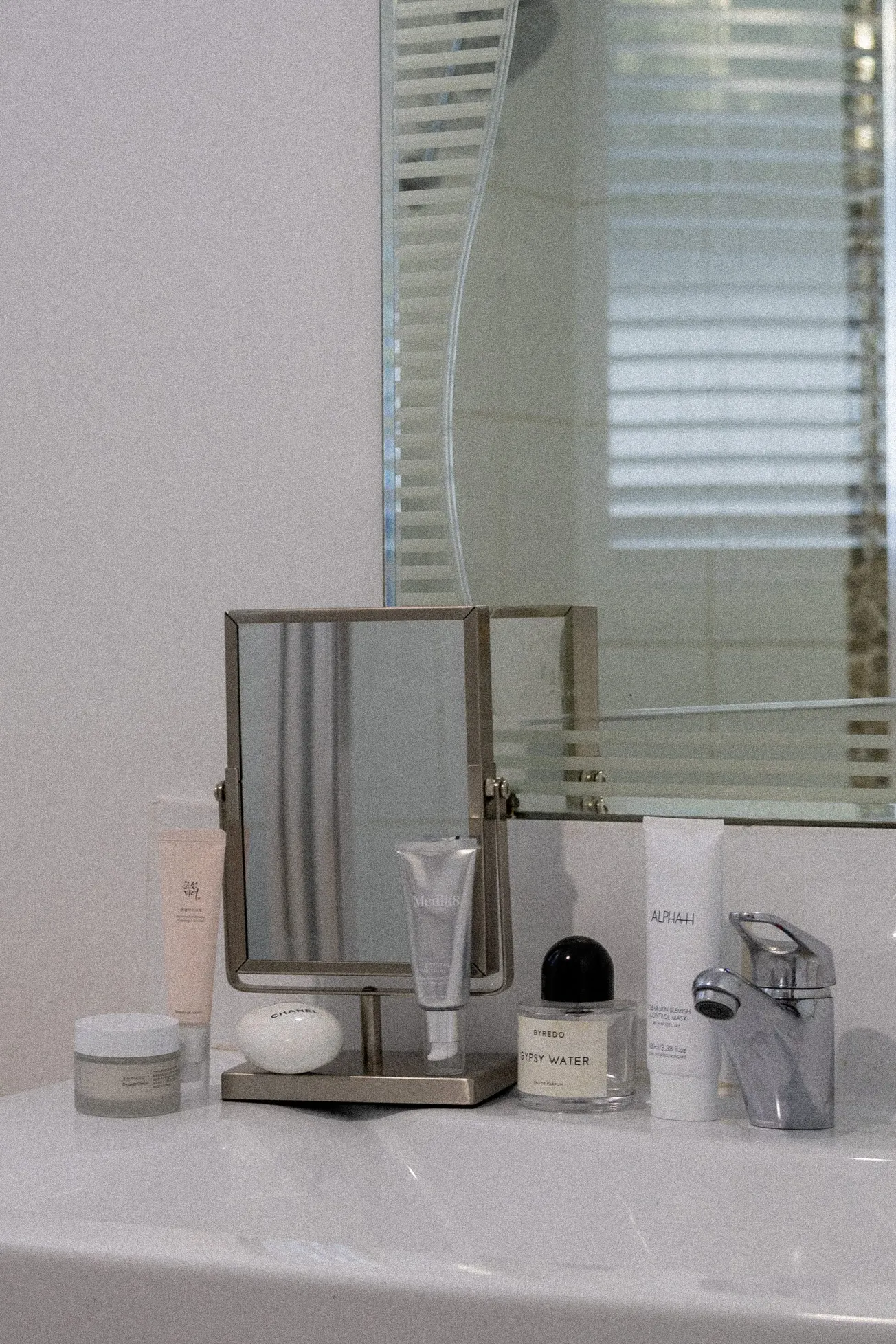
Gen Alpha girls between ten and fourteen are spending $300 to $400 per month at prestige beauty retailers, on Drunk Elephant, Charlotte Tilbury, and Sunday Riley: serums whose packaging warns against use under eighteen. The products were not marketed to them directly, at least not at first. TikTok did that work, and the brands, watching their sales figures climb, made the rational decision not to interfere. The spend is a symptom. What produced it is more interesting.
Consumer identity has become the first available identity, absorbed into a stage of childhood that commerce had not previously reached. There used to be a specific kind of self that formed through adolescence: slow, uncomfortable, built from mistakes that left no paper trail. That process has been partially replaced by a product assortment. The self is no longer something a girl grows into. It is something she can acquire on a Saturday afternoon, carry home in a branded bag, and arrange on a shelf she has already photographed for her followers. This is the first generation in which the consumer self may arrive before the actual self does.
The mechanism is worth understanding precisely. A girl who assembles her identity from a curated product collection has learned to outsource her own taste formation to whoever reached her first. The lesson is delivered in the vocabulary of self-knowledge: skin type, undertone, vibe, and the $68 product that best expresses each. The whole environment is engineered to feel like discovery. A twelve-year-old stands at the Sephora counter with the focused expression of someone doing something important, because she is. She is figuring herself out. She is just doing it inside someone else's framework.
The class dimension of this has no serious treatment in the mainstream conversation, and it should. The brands Gen Alpha covets are deliberately prestigious. Drugstore is beside the point. The visual grammar and price architecture are luxury, and that is the whole mechanism. At an age when children are acutely attuned to social stratification, fluency in prestige beauty has become a legibility test. Brand literacy signals belonging. Its absence signals something else entirely. Across income levels, girls are navigating identical social pressure with radically unequal resources, and the industry profits from the pressure regardless of whether any individual purchase is ever made.
The brands recognized an opening created by a broader cultural failure to offer girls identities that commerce had no hand in building. When there is no persuasive story about who a girl is allowed to become, she will find the one being sold to her with the most sophistication. The beauty industry produced that story at the highest available resolution: algorithmically refined, socially rewarded, and delivered through a platform architecture designed to make resistance feel like deprivation.
What the industry has accomplished is the privatization of a developmental stage, which is a different and more serious thing than corrupting childhood. The work that once happened in spaces no brand could reach has been absorbed into a retail experience with loyalty points. A generation is being formed, at the most impressionable stage of selfhood, around the premise that identity is something you acquire rather than something you build. That premise does not stay in the beauty aisle. It scales into adulthood, into relationships, into the specific kind of woman who knows exactly how to present whatever version of herself the room requires and reaches, almost reflexively, for the product that closes the gap.
Beauty culture will call that confidence. The more honest word is fluency, and fluency in a language someone else invented is not the same thing as having a self.