The number that matters most is one she has probably never seen on a label. GSM—grams per square meter. Thread count means nothing for towels. The industry knows this. She does not, because the packaging never told her.
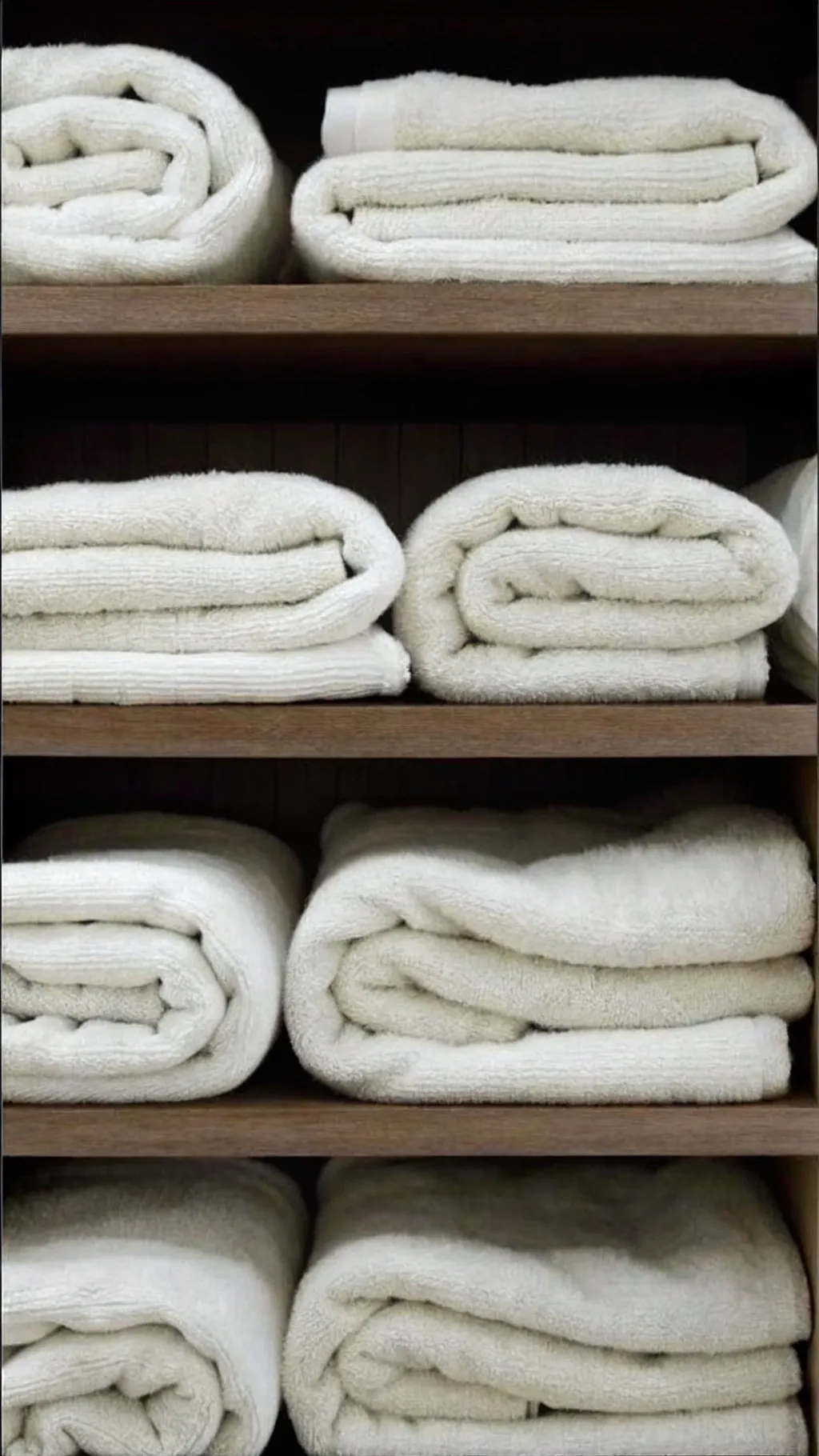
Consumer marketing pushes 800 GSM and above as the luxury standard, conjuring images of spa-like density. Walk into the bathroom of a Four Seasons, a Ritz-Carlton, an Aman resort—the towels are 500 to 650 GSM. This is not compromise. This is intelligence. Higher GSM means longer drying time, increased mildew risk, more weight than most women want to lift when wet. A 700 GSM towel takes over five hours to air dry. A 500 GSM towel manages it in three.
A woman in Chicago—an attorney who resents wasted time—put it simply: "I spent years buying the heaviest towels I could find because I thought weight meant quality. They never dried. They smelled. I replaced them constantly. Then someone told me about GSM and I felt like I'd been lied to for a decade."
She had been. The number matters less than what the number is made of.
She has encountered Egyptian cotton before.
In The Linen · A Dossier, we documented the 0.4%—Giza 45, the rarest commercial cotton in the world, and the supply chain opacity that makes most "Egyptian cotton" claims unreliable. The same dynamics apply here, perhaps more acutely. The Cotton Egypt Association estimates that the majority of products bearing the label cannot be verified. The demand is real. The supply is not.
This post is for subscribers on the Founding Subscriber tier
SubscribeAlready have an account? Sign In