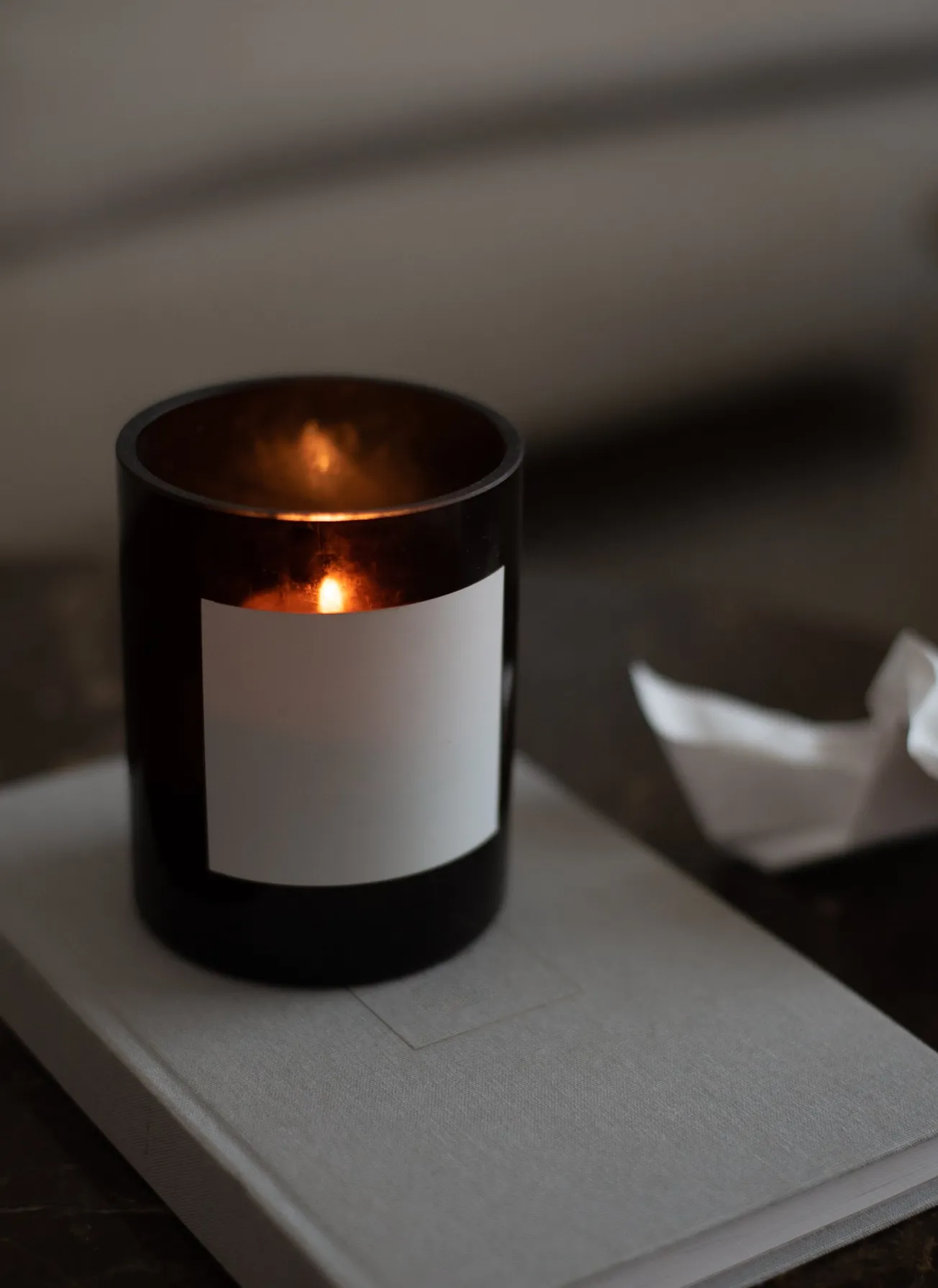
She lights the same one every time. Not the gift candle. Not the one that looked beautiful in the store. The one that works—that changes the room in a way she feels before she can name it.
(That instinct is introduced more quietly in The Candle · An Edit.)
There's a candle she's burned to the final quarter-inch three times now. She doesn't remember where she bought it. She doesn't think about it. She lights it at the same hour, in the same room, and something in her evening shifts. The day ends. The night begins. That's the candle.
Not the one she researched. Not the one someone recommended. The one that disappeared into her life so completely she forgot it was a purchase at all.
I wanted to understand why. What separates the candle she burns to nothing from the ones that sit half-used on a shelf, gifts she didn't choose, phases that passed?
Forty-one candles. Sixteen houses. Conversations with women who've burned the same scent for a decade, and women who collect candles and can't explain why none of them feel right. A chandler in the French Alps who ages materials for two years before pouring. A sixth-generation craftsman in Japan whose family has made candles the same way since the Edo period. Mills traced. Failures documented. The woman whose Diptyque Baies has scented every apartment she's lived in for fifteen years. The woman whose $185 candle tunneled by the third burn. The woman still lighting her mother's beeswax tapers from 1978.
This is what I found.
This post is for subscribers on the Founding Subscriber tier
SubscribeAlready have an account? Sign In